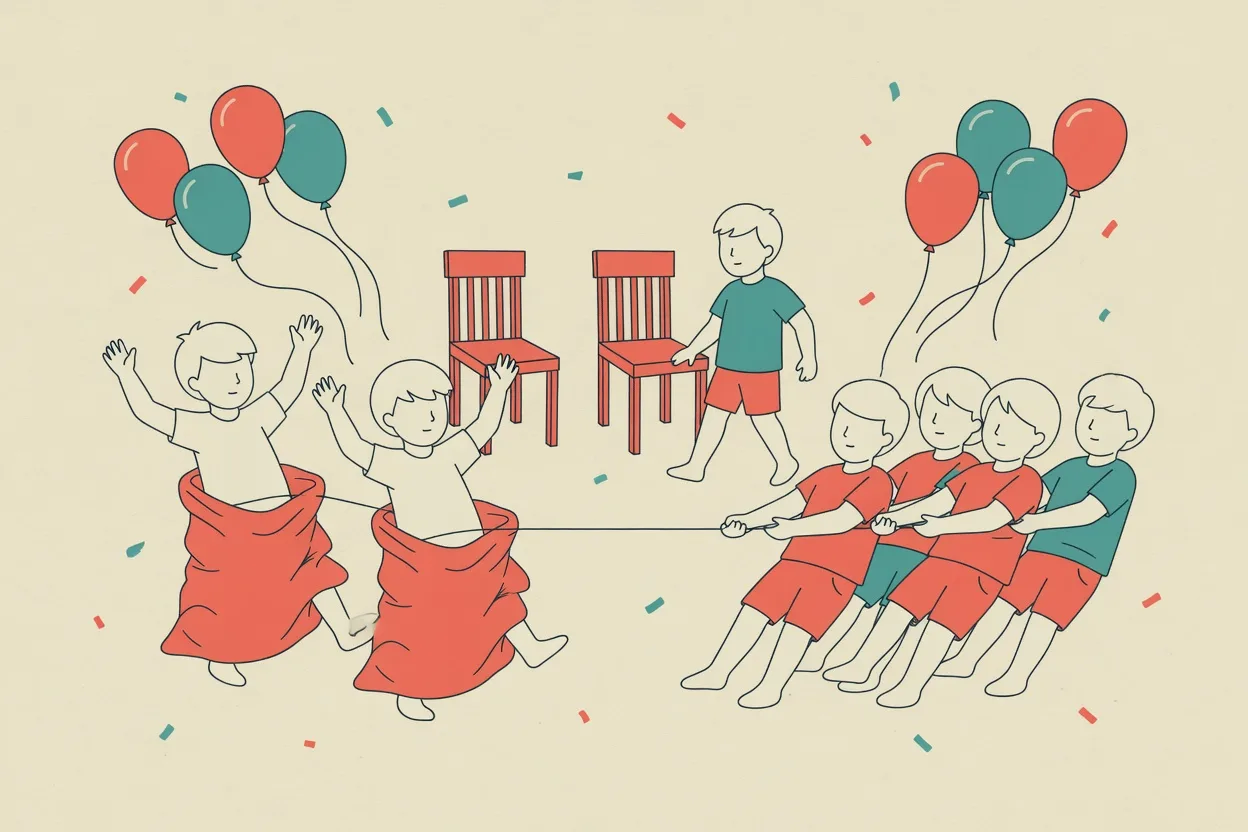
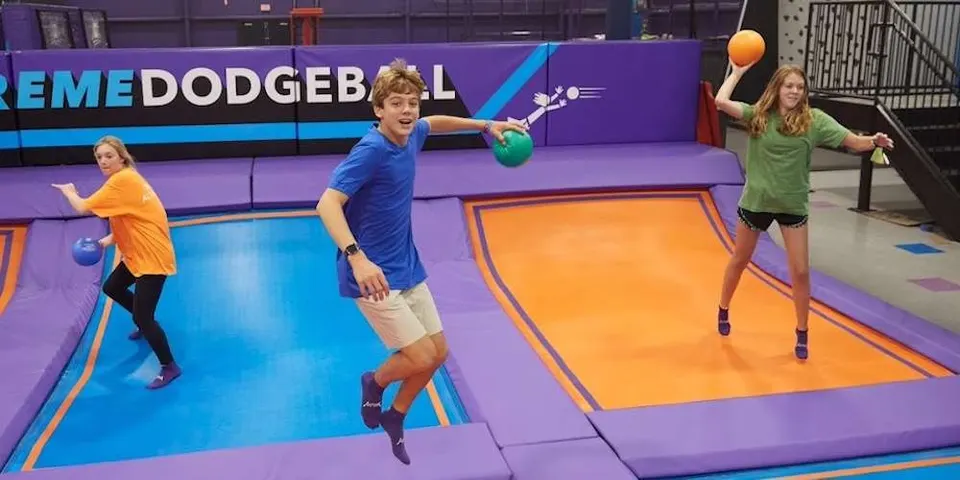
The reason this theme works so well in real life is that the game it borrows from is already a party game: everyone drops in at once, the play area shrinks, the last person standing wins, and everybody dances about it. Translate that into a backyard with foam blasters, a rope circle and a good playlist and you have an afternoon that runs at full tilt for two hours. Here is the plan, plus the ground rules worth agreeing before anyone arrives.
First: The Age Question
Worth being straight about, because it is the thing parents will quietly wonder. The game this theme comes from is rated for roughly twelve and up in most territories, and plenty of younger children play it anyway. The party version — foam darts, dancing, a piñata — is a different proposition entirely and lands well from about seven.
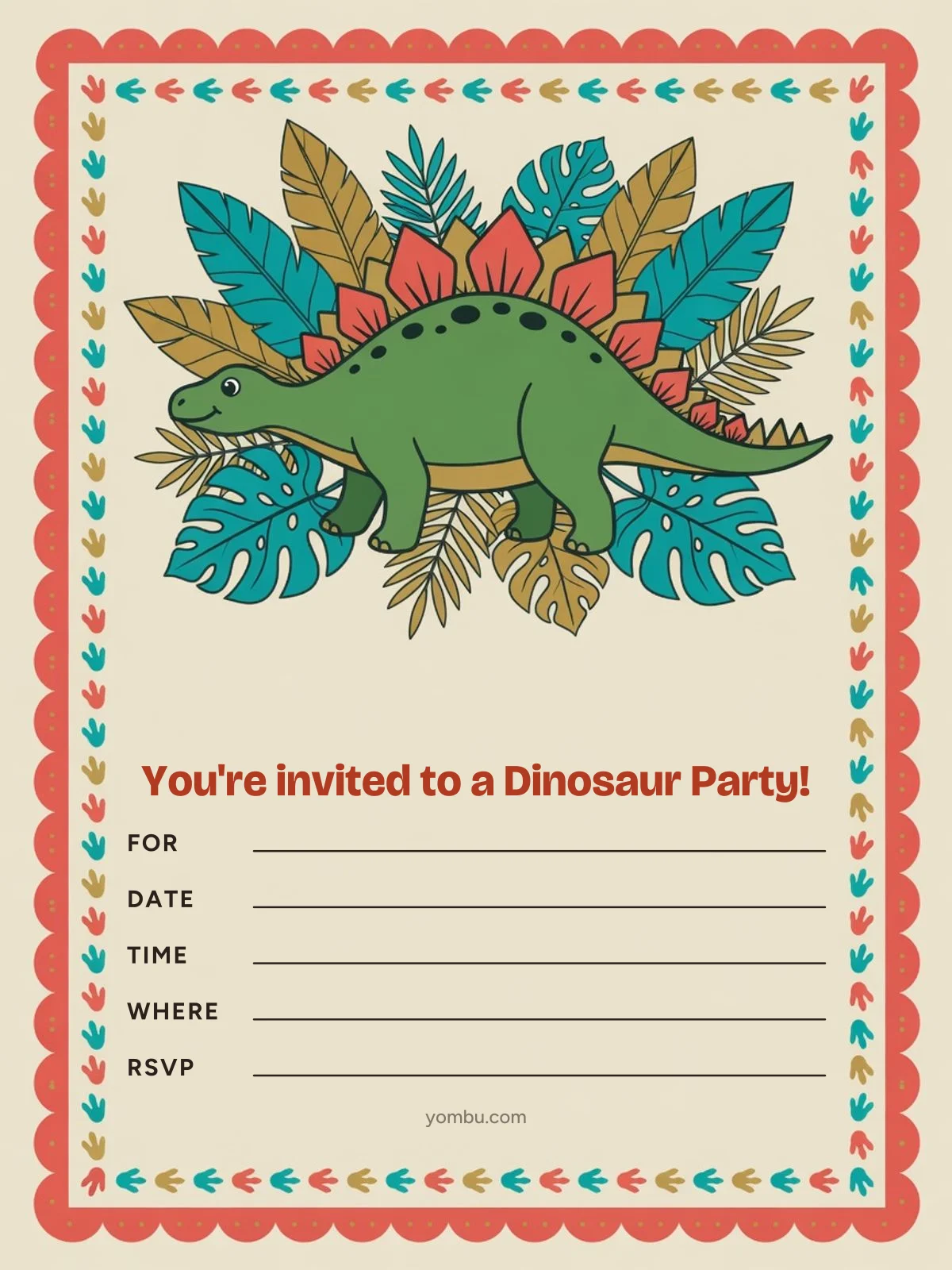
What that means practically is that some guests will know every reference and some will know none, and the party has to work for both. Keep the games self-explanatory, do not build anything that requires knowing the source material, and nobody feels left out. It also means a heads-up on the invitation is worth sending: a line saying "foam dart blasters, all supplied, eye protection provided" answers the question before a parent has to ask it.
Decor: Bright, Blocky, Loud
The visual language is saturated color and simple geometry — purple, lime green, electric blue, and shapes with hard edges. No gradients, no pastels.
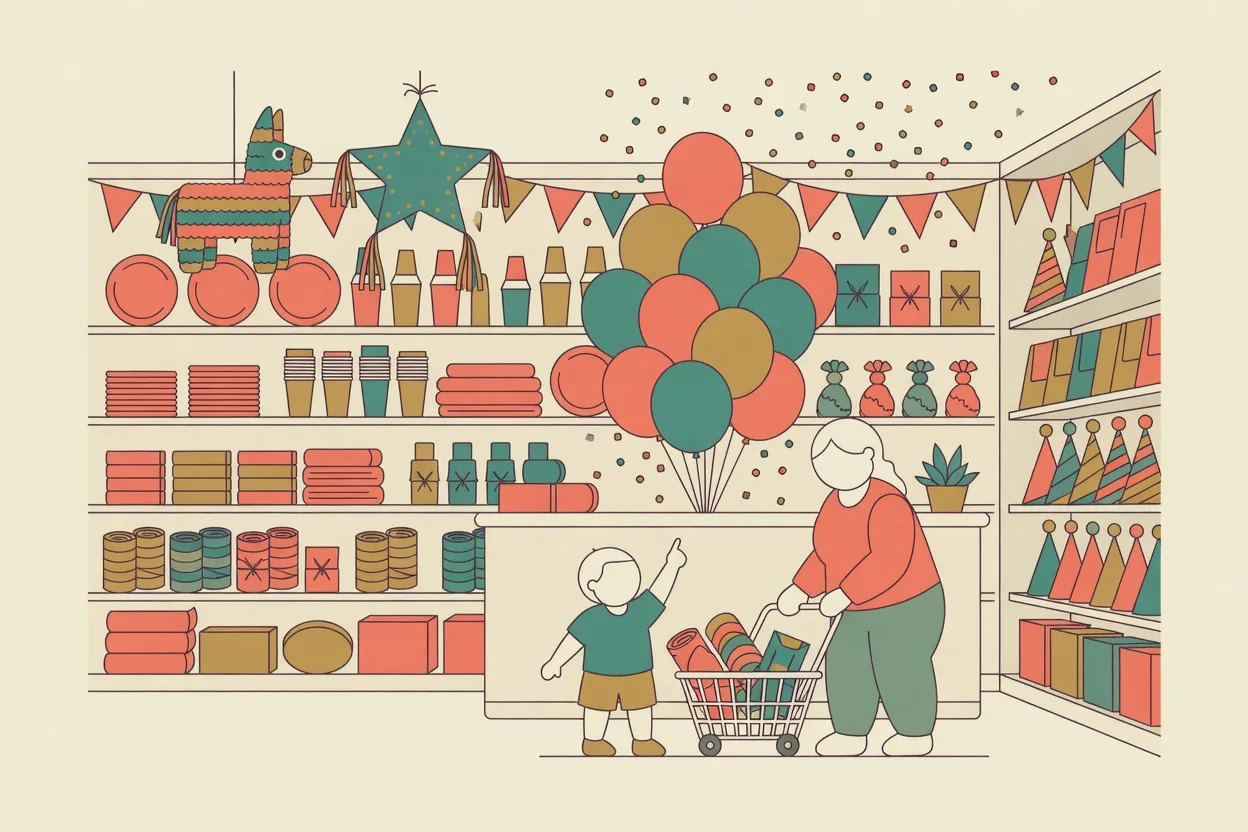
- A llama at the door. The blue and purple piñata llama is the single most recognizable object in this theme. Stand it by the entrance all afternoon before it meets its end at the finale.
- Supply drops. Cardboard boxes spray-painted blue with a balloon taped on top as the parachute, hung from the fence or stacked in a corner. Fill them with the favor bags and open them at the end.
- The storm circle. A length of purple rope or a line of purple cones marking a ring on the lawn. It is decor and game equipment at the same time.
- Pixel bunting. Squares of colored cardstock strung on a line, deliberately blocky. Fifteen minutes with scissors and the birthday kid can make it.
- Neon glow sticks. Handed out at the halfway point, they re-energize a party that is starting to flag and they make the dance contest look ten times better.
The Games: A Real Battle Royale
The shrinking storm
The headline game, and the one that makes this theme worth doing. Mark a large circle on the lawn with rope or cones. Everyone plays inside it with foam blasters — hit means you sit out this round. Every three minutes, blow a whistle and pull the circle in by five or six feet. As the space shrinks the game gets frantic, and it ends naturally with two or three players in a tiny ring and everyone else watching and shouting.
Run three rounds of about eight minutes. Anyone knocked out becomes a spotter on the edge calling hits, which keeps them in the game rather than sulking on a bench. Eye protection for everyone, blasters supplied by you so they are all the same, and one rule stated loudly at the start: no shots above the shoulders. Enforce it once, early, and it holds for the rest of the party.
Loot drop scramble
Hide small prizes — wristbands, candy, spare darts, a couple of gold-painted stones as the rare items — around the yard in advance. On the whistle, everyone has ninety seconds to collect what they can. Run it as the opener while late guests are still arriving: it needs no explanation and it absorbs anyone standing awkwardly by the gate.
The dance emote contest
This is the one every guest will already be able to do. Play a track, call out an emote name, everyone performs it; a parent judge picks the best and that child gets a point and calls the next one. Then run a freeze round — music stops, everyone holds their pose, first to move is out. It is the perfect thing to run just before the food, because it burns the last of the energy and everybody sits down afterwards without being asked.
Build battles
Teams get a stack of cardboard boxes, a roll of tape and four minutes to build the tallest structure that can stand on its own. Then — the good bit — each team gets ten foam darts to knock down the other team's build. Cheap, chaotic, and it gives the less sporty guests something to be brilliant at.
The llama piñata
The finale, and it has to be last. Fill it with candy, small toys, glow bands and a handful of gold-wrapped chocolate coins. Youngest guest swings first, oldest last, and give everyone a paper bag before the first hit so the scramble is fair.
Food and Cake
Rename ordinary food with small tent cards and let the colors do the rest. Bright icing, blue drinks, nothing subtle.
- "Slurp juice" — blue lemonade or blue raspberry punch in clear bottles. Non-negotiable, and the first thing to run out.
- "Chug jugs" — the same drink in bigger bottles with a printed label, one per team.
- "Shield potions" — small bottles of green apple juice with a paper label.
- "Loot crate" pizza boxes — regular pizza, boxes decorated with the birthday kid the night before.
- "Med kits" — small white boxes with a red cross and a sandwich inside.
For the cake, the easiest strong version is a blue-and-purple two-tone iced cake with a llama-shaped cardstock topper and a scattering of edible gold stars. A number-shaped cake in lime green with a black grid piped over it also reads perfectly. As with any game-themed party, ask the bakery for the colors and shapes rather than a logo — the palette is what people recognize, and most bakeries will not reproduce a game's artwork anyway.
Favors and the Victory Moment
Pack the favor bags into the cardboard supply drops and open them at the end as the final event: a glow band, a small pack of foam darts, a sheet of stickers, candy, and a printed "Victory Royale" certificate with each guest's name on it. Certificates cost pennies and get stuck on bedroom walls, which is more than most goody bags manage.
Give the birthday child the last one, presented properly, with everyone watching. A theme built on winning deserves a real ending.
Ground Rules Worth Saying Out Loud
- Eye protection on for every blaster game, no exceptions, adults included.
- No shots above the shoulders, and none at all outside the marked circle.
- You supply all the blasters and darts so everything is the same power and nothing gets lost or argued over.
- One adult is the referee with a whistle, and the whistle means everyone stops and lowers their blaster.
- A clearly marked out-of-play area where a child can sit down and be left alone if it all gets too much.
Frequently asked questions
- What age is a battle royale party best for?
- Seven to twelve. Below seven the foam-blaster games get chaotic in the wrong way, though the loot scramble, the dance contest and the piñata all work fine on their own for a younger group.
- Can it work indoors?
- Yes, in a party room or any large room. Shrink the circle with tape or chairs instead of rope, drop the range of the blaster games, and lean harder on the build battles and the dance contest.
- What if some parents aren't comfortable with toy blasters?
- Ask on the invitation and offer an alternative for the storm rounds — soft foam balls or a tag game with fabric flags tucked into waistbands works identically, keeps the shrinking-circle structure, and nobody has to sit out.
Somebody has to hold the whistle, and it is genuinely hard to referee the storm circle and run the dance bracket at the same time. Hand one of them over: send us the date and we will come back with entertainers who are actually free that afternoon — a face painter laying on camo and neon war paint before the first round, or a host who runs the whole program while you deal with the pizza. Everyone is vetted and insured, the price you see is the price you pay, and payment is held until after the event. Almost all of this happens on a lawn, so our backyard party page is worth a look for the setup side of it.