
4–9
Ages
3+
Players
Indoors or out
Where
10–20 min
How long
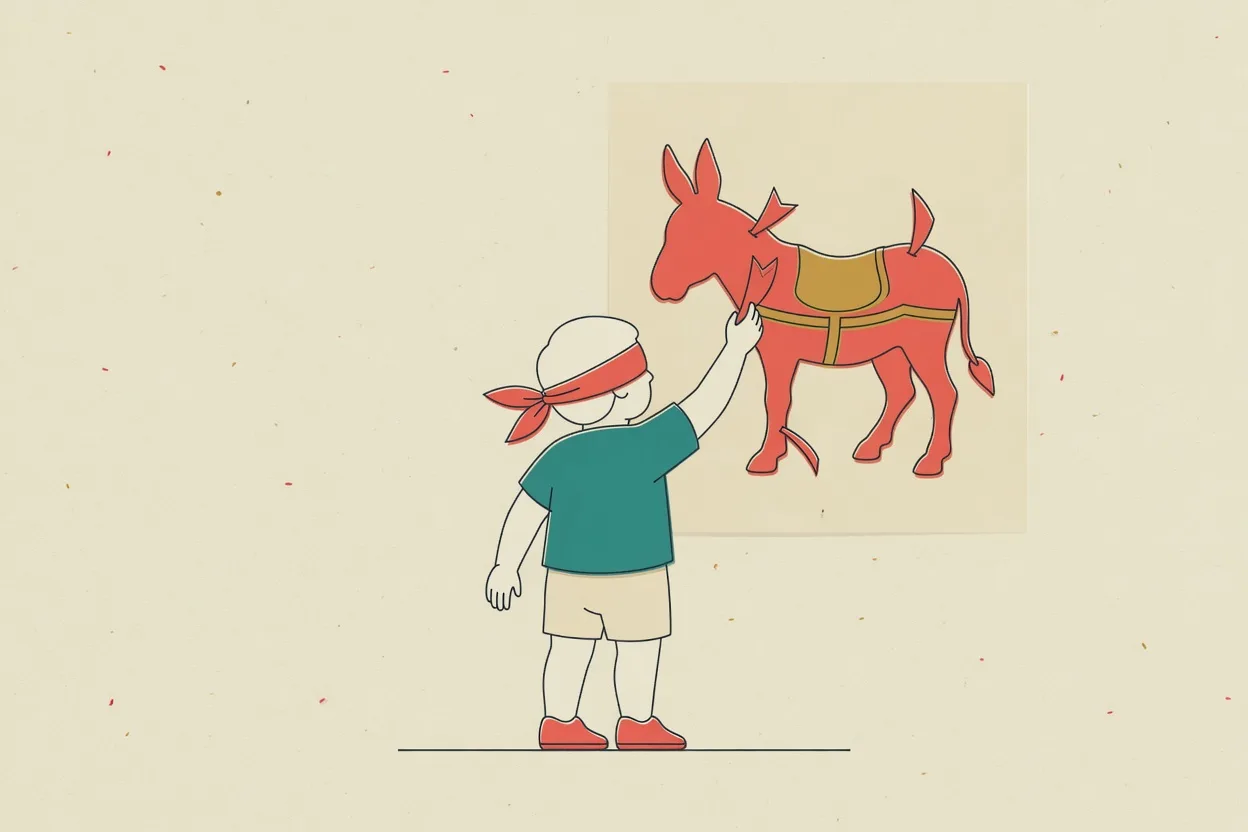
Pin the feather on the turkey is pin the tail on the donkey wearing a Thanksgiving costume — same blindfold, same spin, same wall poster, with a turkey standing in for the donkey and a feather standing in for the tail. It earns its place at the Thanksgiving table because it needs almost nothing you don't already have, it works while the grown-ups are still cooking, and a four-year-old and an eight-year-old can play the same round and both have a fair shot. The only real decisions are how you draw the turkey and how many times you spin each child before they aim.
What follows covers the poster and feather prep, the spin counts that keep it fair across a wide age range, and the one thing that most often turns this from a quiet ten minutes into a squabble.
The poster and the feathers
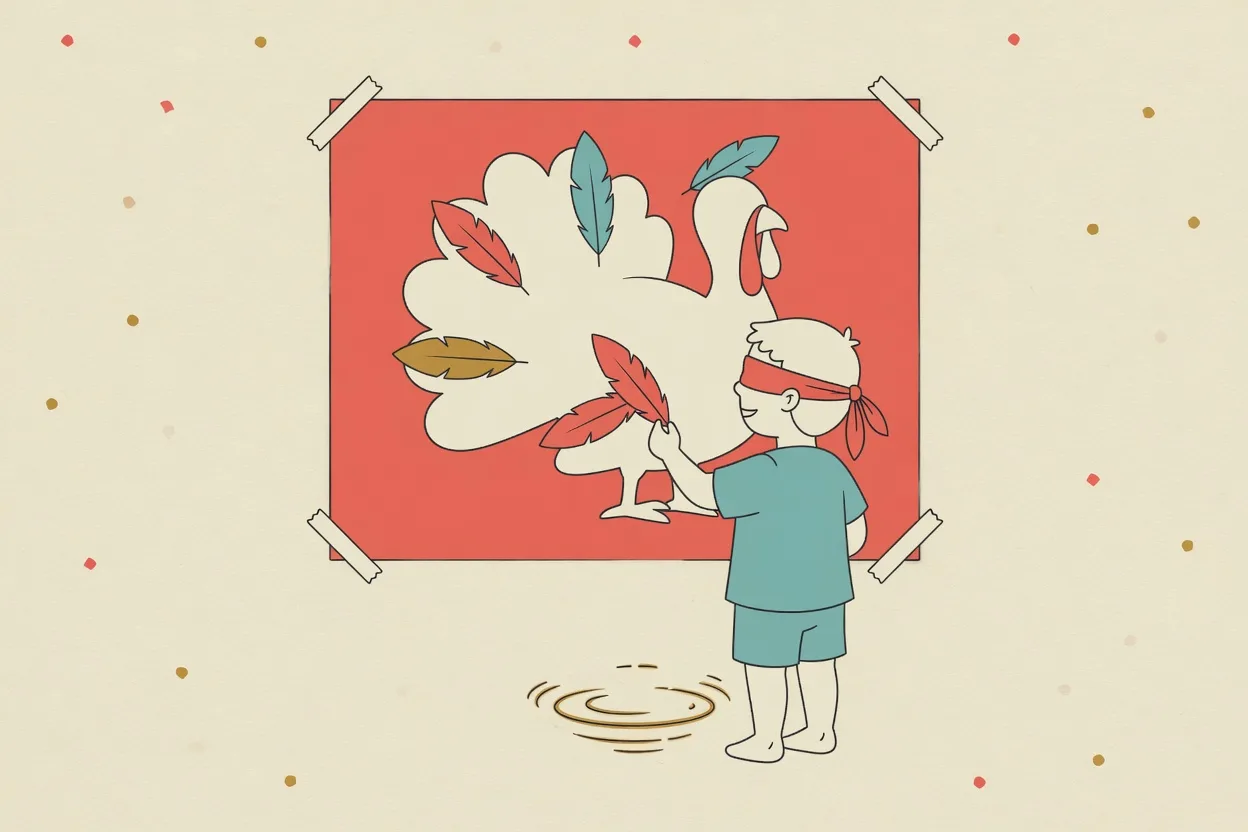
Draw or print a turkey on a sheet of paper big enough that a blindfolded child has a real chance of landing on it — roughly the size of a poster, not a sheet of printer paper. Leave the tail feathers off the printed bird entirely; that bare fan shape is the target. Tape the poster to a bare stretch of wall, well clear of a doorway, a window or anything breakable, at the eye height of the children playing rather than the adults watching.
Cut one paper feather per child from cardstock in two or three fall colors, and roll a small loop of tape onto the back of each before the game starts rather than mid-round — fumbling with tape one-handed while blindfolded is where most of the delay comes from. Write each child's name on their feather in advance so the poster reads as a real group effort by the end, feathers overlapping in a rough fan around the turkey's back end.
Spin counts and keeping it fair
The spin is what makes the game, and it's also the easiest thing to get wrong for age. Three slow turns is plenty for a four- or five-year-old — much more and a small child genuinely loses their balance rather than just their bearings. Five to six turns suits seven- to nine-year-olds, who need a real disorientation to make the game a challenge at all. Always spin the same direction and always count out loud, so nobody can argue afterwards that another child got fewer turns.
The paragraph every host needs is about the spin itself, not the pinning: an over-enthusiastic spin is the actual safety issue here, not the blindfold. A child spun too fast or too many times can stumble into the wall, a chair or another child before they've even lined up their feather. Spin slowly, keep one hand lightly on their shoulder the whole way around, and steer them gently by the shoulders toward the poster afterwards rather than letting them wander the room blind.
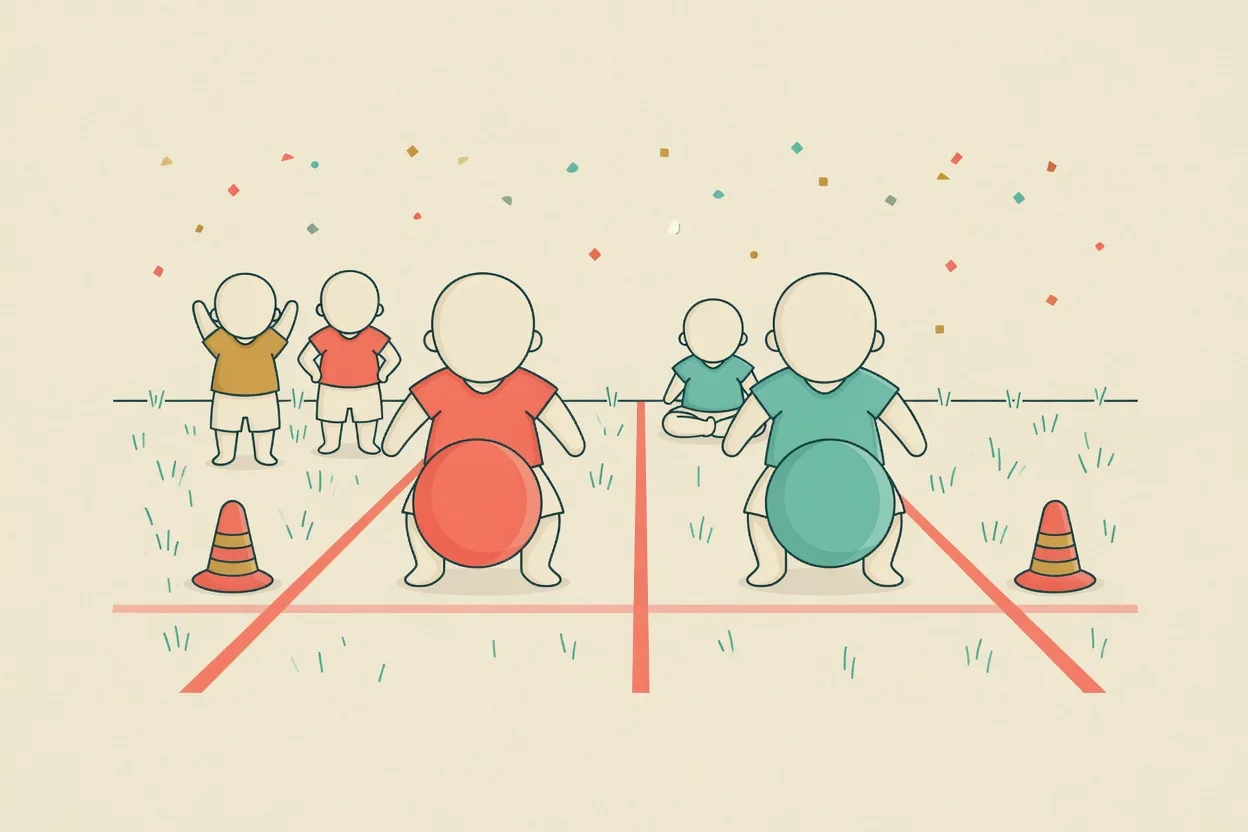
Judge distance from the target loosely rather than with a tape measure — closest feather wins the round is plenty precise for this age group, and arguing over fractions of an inch ruins the mood. For a Thanksgiving lineup that mixes a quiet game with a running one, the turkey waddle relay pairs well straight after this, and if you'd rather stick with the original version this is copied from, pin the tail on the donkey plays exactly the same way.
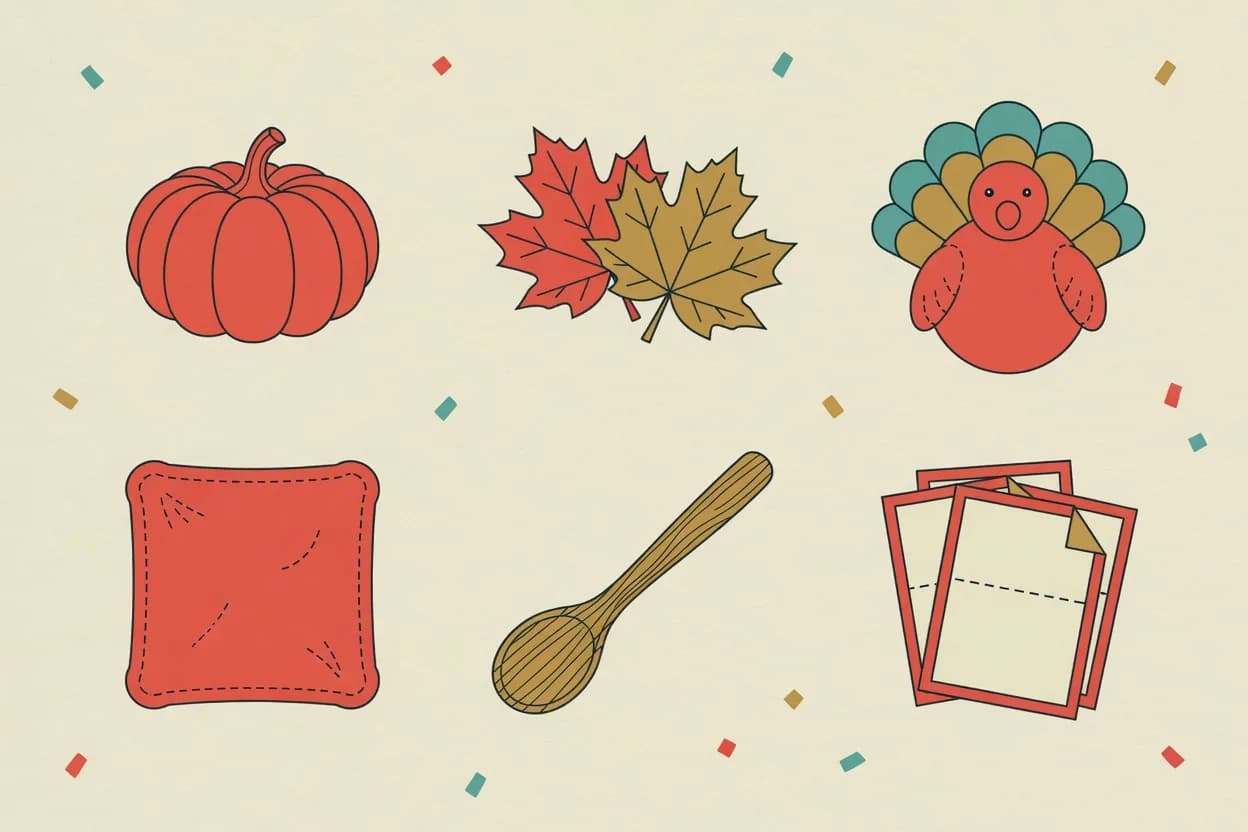
What you need
- A turkey poster, or a big turkey drawn on a sheet of paper, taped to a wall at child head height
- One paper feather per child, with a rolled loop of tape already on the back
- A soft blindfold that actually blocks the light
- A mark on the floor a few steps back from the wall to spin from
How to play pin the feather on the turkey
- Tape the turkey poster to a bare wall at the children's head height, well away from furniture, doorways or anything breakable.
- Give every child a feather with a rolled loop of tape already stuck to the back, and write their name on it.
- Blindfold the first child and spin them gently — three slow turns for kids under six, five to six for older children — always counting out loud and always the same direction.
- Steer them by the shoulders to face the poster, then let go and let them walk forward and press their feather onto the turkey.
- Take the blindfold off and let them see where they landed before the next child has their turn.
- Once everyone has played, whoever's feather sits closest to the bare tail spot wins the round; leave every feather stuck where it landed for the photo.
Variations
Pin the beak on the turkey (ages 3–4)
Skip the blindfold and the spin entirely for the very youngest children. Let them walk straight up and press a paper beak or a single feather onto the poster with their eyes open. It keeps the craft-and-poster fun without the balance risk, and it's a better fit for a toddler than the full version.
Team feathers
Split into two teams and give each a different feather color. Every player takes one blindfolded turn, and the team whose feathers sit closest to the target as a group wins. It turns a string of solo turns into something the whole table is following together, and it suits eight or more children well.
Frequently asked questions
- What do you need for pin the feather on the turkey?
- A turkey drawn or printed on a large sheet of paper, one paper feather per child with tape already on the back, and a soft blindfold. Everything else is optional — it's one of the cheapest Thanksgiving games to set up.
- How many times should you spin a child before they pin the feather?
- Three slow turns for kids under six, five to six for children around seven to nine. Always spin the same direction and count out loud so every child gets the same treatment.
- What age is pin the feather on the turkey suitable for?
- From about four upwards. Under that age, skip the blindfold and let them place a feather with their eyes open instead — the poster-and-feather fun still works without the spin.
- Is pin the feather on the turkey the same game as pin the tail on the donkey?
- Yes — it's the same blindfold-and-pin mechanic with a turkey and feather standing in for the donkey and tail, which makes it the natural Thanksgiving version for a table that already knows how to play it.