

4–10
Ages
6+
Players
Indoors
Where
10–15 min
How long
The left right game is the calmest thing on this entire site, and every Christmas party needs at least one calm ten minutes. Everyone sits in a circle holding or passing a wrapped gift; someone reads a story aloud; every time the word "left" or "right" appears, the gift moves one person in that direction. Nothing more complicated than that, and it somehow holds a room of children in genuine suspense until the very last line.
Below is exactly how the mechanic works, how to write or adapt your own story for it, and a short original example so you can see the pattern before you write a word yourself.
Writing a story that actually works
Any short, slightly silly story works as a base — the only rule is that "left" and "right" need to come up often enough that the gift is genuinely on the move throughout, not just twice near the end. Look for natural places to work them in: directions ("he turned left"), decisions ("she was right, of course"), even names and objects (a character called Wright, a house on the right side of the street). Read your draft aloud once before the party. If the gift would barely move, that's your sign to go back through and add a few more.
Who reads matters almost as much as what they read. An adult who can keep a straight face while narrating nonsense is ideal, but an older child who's proud to have been given the job works just as well and often commits to the silly voices with more enthusiasm than any adult will.
Here's a short excerpt to show the density you're aiming for — this is an original example written for this guide, not a traditional story, so treat it as a template rather than the whole thing:
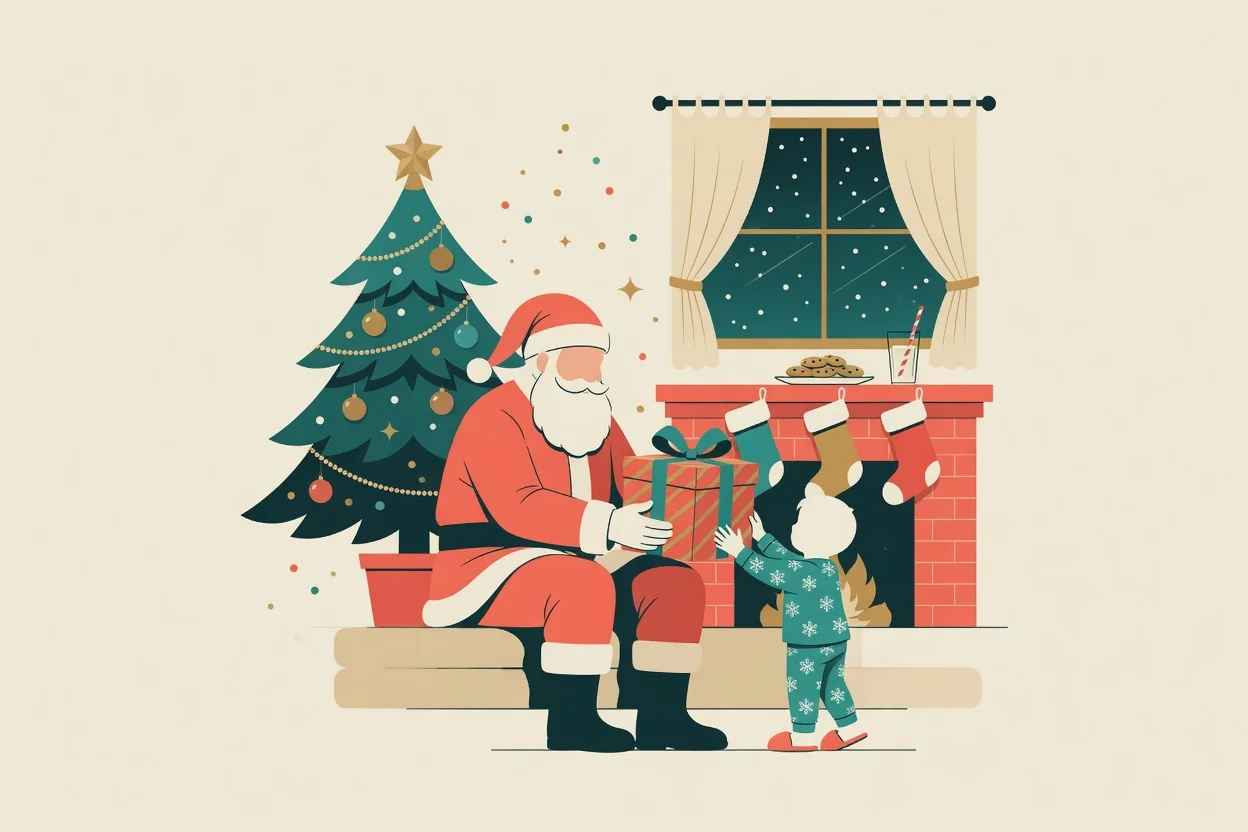
Santa left the North Pole in a hurry, because he'd left his favorite red hat on the right-hand hook by the door. He turned left past the big pine tree, then right past the reindeer stables, before realizing the hat was right where he'd left it all along — on his own head.
Where it goes wrong
The two failure modes are both about pace. Read too fast and the gift gets fumbled or missed entirely as children scramble to pass it on; read in a flat monotone with no pause at all and the "left"s and "right"s blur together until nobody's sure whose turn it is. Slow down very slightly on every trigger word rather than the whole story, so the gift genuinely changes hands each time, and read the final line really slowly — the ending is the entire point, and rushing it is the one way to actually disappoint a room of children who've been patiently waiting their turn.
Slow down on every "left" and every "right", not the whole story — that's the difference between a gift that genuinely travels around the circle and one that just gets fumbled.
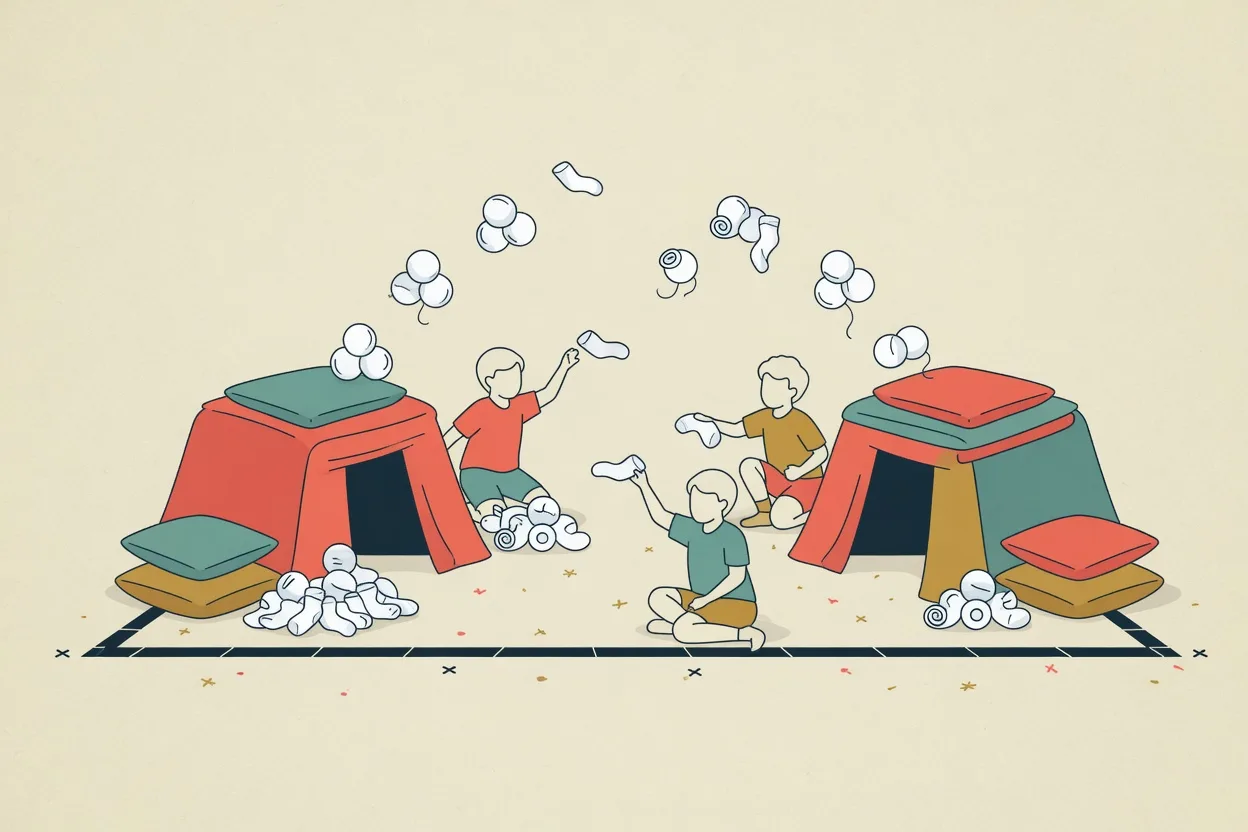
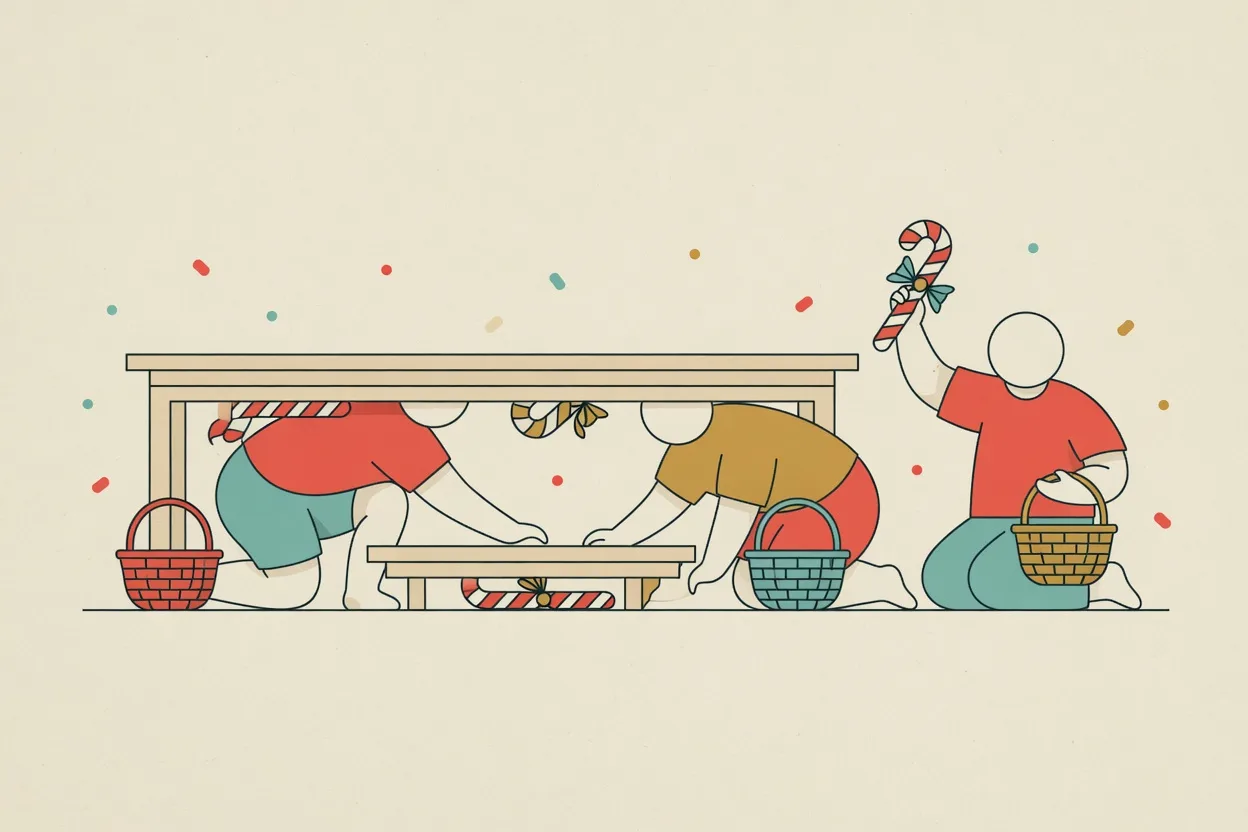
It's a good calm follow-on after something noisier like the indoor snowball fight or before sending everyone off on the candy cane hunt — between the three of them you've got a full Christmas party that never needs the same energy level twice.
What you need
- One or more small wrapped gifts
- A printed or read-aloud "left/right" story
- Chairs or floor space arranged in a circle
How to play the left right game
- Sit everyone in a circle, on chairs or on the floor, close enough that a gift can be passed hand to hand without a reach.
- Give one child the wrapped gift to hold, and have an adult or an older child stand just outside the circle to read the story aloud.
- Explain the one rule before you start: every time the reader says "left", the gift moves one person to the left; every time they say "right", it moves one person to the right. Nothing else changes hands.
- Read the story at a steady pace, pausing very briefly after each "left" or "right" so the gift genuinely changes hands rather than getting fumbled.
- Whoever is holding the gift when the story's final word is read keeps it — read the last line slowly so everyone actually hears where it lands.
- With a bigger group or more prizes, run it two or three times with a fresh small gift each round rather than one big prize once.
Variations
Two gifts at once (ages 7+)
Start two gifts on opposite sides of the circle at the same time — both move on every "left" and "right", which means they can end up in the same hands or collide mid-circle, and is a much livelier, funnier version for a group who've already played the standard game.
Layered gift
Wrap the gift in several layers of paper like a normal pass-the-parcel, and have whoever's holding it when the story ends unwrap just one layer rather than keeping the whole thing — stretches a single small prize across several rounds.
Write your own story
Once the group knows the game, let an older child or the birthday child write the next round's story themselves, working in as many lefts and rights as they can — it's a genuinely popular job to be given at this age, and means every retelling is different.
Frequently asked questions
- How do you write a left-right game story?
- Take any short, silly story and swap in the words "left" and "right" wherever they'll naturally fit — directions, hands, decisions, even last names like "Wright". Read a draft aloud first; if the gift would barely move, add a few more lefts and rights until it does.
- How long should a left-right game story be?
- Two to three minutes read aloud is plenty for most groups — long enough for the gift to travel properly around the circle several times, short enough that younger children don't lose interest waiting for their turn to hold it.
- Can more than one child win the left-right game?
- Yes — the easiest way is to use a fresh small gift each round and simply play it several times, so several children get to keep something rather than the whole game riding on one prize.
- What age is the left-right game suitable for?
- From about four, so long as they can tell left from right or are happy to be gently pointed the correct way by a neighbor. It's a genuinely calm, low-energy game, which makes it a good one to slot in after something noisier.
Perfect for these parties
Themes that build a whole party around this game — with the food, the decor and a printable invite to match.